






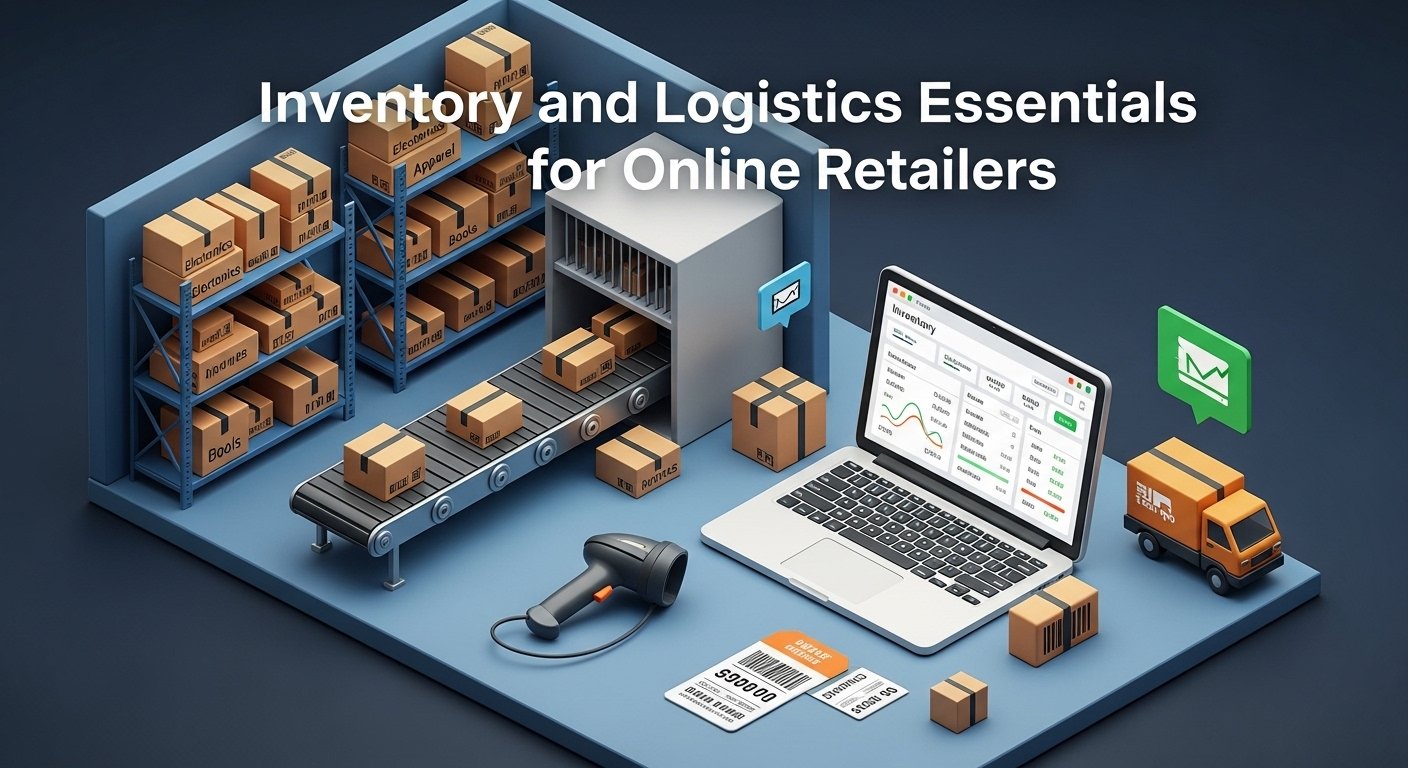
Running an online retail business today is more than just having an attractive website and quality products. Behind the scenes, inventory management and logistics are the lifeblood of your operation. Without a solid system, even the best products can fail to reach your customers efficiently, affecting both satisfaction and your bottom line. Here’s a comprehensive guide to inventory and logistics essentials for online retailers.
1. Understand Your Inventory Needs
The first step in efficient inventory management is understanding what, when, and how much to stock. Conduct a detailed analysis of your product demand patterns. Identify fast-moving items, seasonal products, and slow sellers. This allows you to allocate resources wisely and avoid overstocking or stockouts.
Using inventory management software can be a game-changer. Tools that track real-time stock levels, reorder points, and sales trends help you make informed decisions and reduce human error. Popular platforms often integrate with your e-commerce system, ensuring seamless updates between your online store and inventory database.
2. Choose the Right Warehousing Solution
Storage is a critical component of logistics. Depending on the size and scale of your operations, you might opt for in-house storage or partner with a third-party logistics provider. For instance, if your customer base is concentrated in a specific region, selecting a warehousing facility nearby can reduce shipping times and costs. A growing number of businesses are leveraging strategic locations like warehousing in Salt Lake City to serve both coasts efficiently.
When evaluating warehouses, consider factors like accessibility, scalability, security, and technology integration. A well-managed warehouse ensures inventory accuracy, reduces lost or damaged goods, and speeds up order fulfillment.
3. Streamline Order Fulfillment
Order fulfillment is where inventory management and logistics intersect. A smooth fulfillment process ensures your customers receive their purchases on time and in perfect condition, directly impacting satisfaction and repeat business.
To optimize fulfillment:
- Automate processes where possible, such as picking, packing, and shipping.
- Implement a clear picking system, using zones or batch picking to reduce time and errors.
- Invest in quality packaging to prevent damages during transit.
Many e-commerce retailers adopt a combination of in-house fulfillment and third-party services, depending on order volume and peak seasons. The key is consistency and efficiency.
4. Optimize Shipping and Delivery
Shipping strategy can make or break an online retailer. Offering multiple shipping options caters to different customer needs—some prioritize cost, others speed. Negotiate with carriers for competitive rates, and consider flat-rate shipping for simplicity.
Technology plays a critical role here. Shipping software that automatically generates labels, tracks orders, and updates customers in real-time minimizes delays and reduces manual errors. Accurate tracking builds customer trust and reduces inquiries about order status.
5. Forecast Demand and Plan Ahead
Effective logistics relies heavily on anticipating future demand. Use historical sales data, market trends, and seasonal insights to forecast product requirements. Accurate demand forecasting helps prevent overstocking, reduces holding costs, and ensures you’re prepared for high-demand periods, like holidays or special promotions.
Advanced analytics tools can predict trends and provide actionable insights, giving retailers a competitive edge. The more proactive you are, the smoother your inventory and logistics operations will be.
6. Monitor Performance and Continuously Improve
Finally, establishing key performance indicators (KPIs) is essential for measuring the success of your inventory and logistics strategy. Metrics such as order accuracy, fulfillment speed, shipping costs, and return rates help identify areas for improvement.
Regular audits and performance reviews allow you to fine-tune processes, negotiate better shipping rates, and make smarter inventory decisions. Continuous improvement ensures your operations stay agile and responsive to market changes.
In Conclusion
Inventory and logistics management are more than operational tasks—they are strategic pillars for online retail success. From understanding your inventory needs and choosing the right warehouse to streamlining fulfillment and forecasting demand, each step contributes to a seamless customer experience and healthier profit margins. By focusing on these essentials, online retailers can turn logistics into a competitive advantage, ensuring timely deliveries, satisfied customers, and sustainable growth.