








The construction enterprise has undergone a dramatic transformation during the last decade. Traditional strategies that once relied closely on manual calculations and paper-based documentation are actually being replaced by digital workflows and superior technology. As a result, the position of estimators has advanced extensively, becoming extra strategic, analytical, and era-pushed.
Today’s creation initiatives call for better accuracy, quicker turnaround times, and more transparency. Estimators are now not working in isolation; they’re primary to making plans, budgeting, and decision-making tactics. Understanding how this role has modified allows agencies adapt and continue to be competitive in a digitally driven construction environment.
From Manual Calculations to Data-Driven Estimation
In the bpast estimators relied on experience, spreadsheets, and physical drawings to put together cost estimates. While knowledge is nonetheless subjective, virtual tools have changed how statistics are collected and analyzed. Estimators now work with great amounts of facts that permit more accurate forecasting and risk evaluation.
Access to real-time pricing, historical assignment records, and predictive analytics has stepped forward in value and reliability. Many businesses now rely on Construction Estimating Services to help this shift, making sure that estimates are aligned with contemporary marketplace conditions and project complexities.
This evolution has reduced guesswork and promoted consistency across initiatives, permitting estimators to focus on strategic planning in preference to repetitive calculations.
The Growing Importance of Accuracy and Speed
As opposition will increase, customers count on faster estimates without compromising accuracy. Digital structures permit estimators to provide certain fee breakdowns in less time, assisting contractors reply speedy to bids and undertake opportunities.
Accuracy is no longer pretty much numbers—it’s about waiting for modifications. Modern estimators recollect cloth availability, effort developments, and potential delays early in the strategy planning stage. This proactive technique strengthens assignment feasibility and builds belief with stakeholders.
With the aid of Construction Estimating Services, organizations can meet tight time limits whilst maintaining price clarity, even on complex or massive-scale projects
Digital Design Integration and Visualization
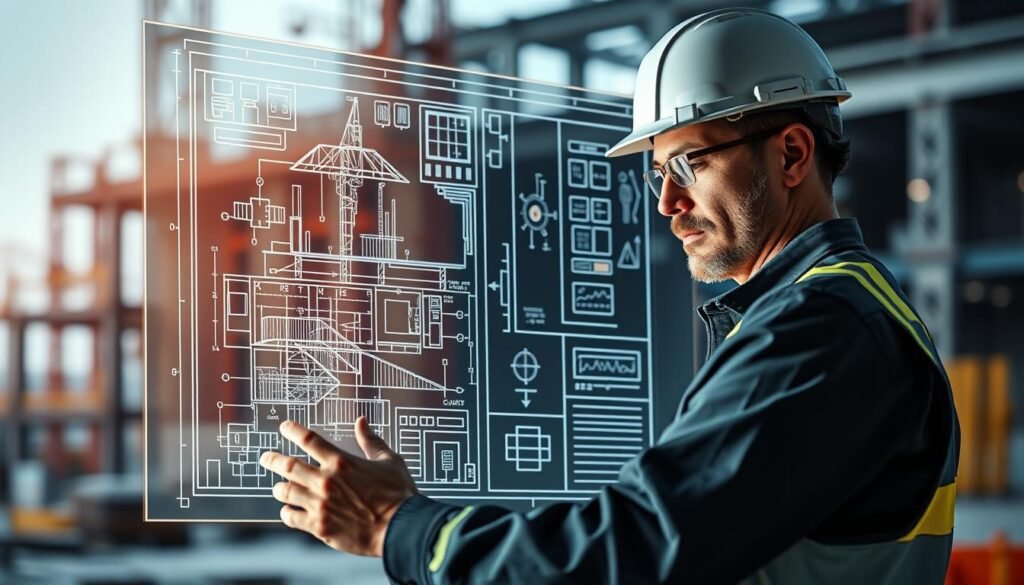
One of the biggest improvements in estimation is the mixing of digital layout gear. Estimators can now paint at once with special drawings that provide better visibility into the challenge scope and necessities. This reduces misunderstandings and improves the amount.
The use of CAD Drafting Services has played a key role in this shift. Precise digital drawings allow estimators to become aware of layout conflicts early and calculate portions more efficiently. This connection abetweendesign and fee planning minimizes revisions and sudden price increases later in the project.
Visual readability also improves collaboration, permitting teams to align design purpose with price range constraints from the earliest tiers.
Collaboration Through Technology
Digital systems have transformed how estimators collaborate with mission groups. Cloud-based equipment permits real-time verbal exchange among architects, engineers, contractors, and fee planners. This collaborative environment ensures that updates are pondered without delay, retaining estimates current and reliable.
By leveraging CAD Drafting Services, estimators can pworkalongside designers to assess alternatives, endorse fee-effective answers, and modify estimates as designs evolve. This stage of integration has become almost impossible with conventional methods.
As a result, estimation has ended up a shared obligation instead of a standalone assignment, leading to smoother assignment execution and higher outcomes.
The Strategic Role of Modern Estimators
Today, construction estimators are strategic participants in mission achievement. Their insights impact design selections, procurement planning, and risk management. Rather than genuinely reporting charges, they help shape smarter production strategies.
Modern estimators analyze tendencies, examine situations, and support lengthy-term making plans. Their potential to conform to digital gear and converting task needs makes them critical in a competitive enterprise. This evolution has accelerated their position from value calculators to trusted advisors within production groups.
As initiatives continue to grow in complexity, the call for skilled experts who can combine technical expertise with strategic thinking will grow.
Read more: How AI is transforming material takeoffs in 2026
Final Thoughts
The evolution of estimators reflects the broader virtual transformation of the development enterprise. Technology has reshaped how prices are determined, analyzed, and communicated, pushing estimators into more collaborative and strategic roles. Those who embody digital equipment, continuous studying, and statistics-pushed selection-making are better ready to fulfill present day mission demanding situations.
As creation continues to boost, estimators will remain at the heart of successful planning and execution, bridging the gap between layout vision and economic reality.
Frequently Asked Questions (FAQs)
1. How has virtual generation changed production estimation?
Digital equipment has advanced speed, accuracy, and collaboration, allowing estimators to pworkwork with-time data and iincludeassignment statistics.
2. Why is estimator collaboration vital nowadays?
Collaboration ensures that fee planning aligns with layout, scheduling, and procurement decisions, decreasing mistakes and delays.
3. What challenges do cutting-edge estimators face?
They have to adapt to fast technological changes, manipulate complex statistics, and maintain accuracy under tight cut-off dates.
4. How does virtual layout impact value planning?
Digital design improves quantity accuracy, highlights capacity conflicts early, and helps better coordination among groups.
5. What talents are vital for future-oriented estimators?
Strong analytical talents, technical information, adaptability, and the capability to apply virtual equipment successfully are essential.