








The digital world often celebrates youth speed and novelty. Many websites target fast reflexes and sharp eyesight, but older users frequently feel invisible online. This exclusion happens quietly through design choices. As a result, aging users face frustration daily. This issue deserves serious academic attention.
Websites often assume perfect vision and dexterity. However, small fonts challenge aging eyes significantly, low contrast strains perception over time, and fast animations overwhelm cognitive processing. This is why many older users abandon web design in Perth.
Physical and Cognitive Changes That Affect Website Use
Ageing brings natural physical changes. Vision sharpness reduces gradually with age, motor control slows subtly over time, and hearing sensitivity decreases unevenly. Even cognitive load tolerance declines slowly. Design must adapt respectfully to these realities.
Typography plays a critical role for ageing users.
- Larger font sizes improve readability dramatically.
- Clear letterforms reduce visual confusion.
- Adequate line spacing supports comprehension.
- Decorative fonts create unnecessary difficulty.
So, typography choices affect dignity directly.
Colour Contrast and Visual Clarity
Colour contrast supports visual clarity strongly. High contrast improves legibility instantly. Soft contrast looks stylish yet inaccessible. Grey text on white backgrounds causes strain. Clear contrast communicates care and consideration.
So, web design professionals increasingly prioritise contrast standards.
Navigation Simplicity and User Confidence
Navigation structure affects confidence deeply. Complex menus intimidate older users quickly. Clear labels improve understanding immediately. Predictable placement reduces cognitive effort. Hidden menus create anxiety silently. As a result, navigation simplicity becomes essential.
Ageing users also value familiarity strongly. Familiar patterns reduce learning stress. Consistent layouts build confidence gradually. But sudden design changes disrupt comfort. Stable interfaces support independence.
This is how web design in Perth benefits from predictable structures.
Content Flow and Scrolling Behaviour
Scrolling behaviour differs among older audiences. Long scrolling pages feel exhausting. Clear section breaks support orientation. Visible cues indicate content length. Endless pages feel overwhelming. So thoughtful page length matters.
Content clarity shapes trust perception. Plain language improves understanding significantly. Jargon alienates non-technical users. Short sentences support cognitive ease. Clear headings guide attention naturally. Web design strategies in Perth often simplify language intentionally.
Forms Design and Interaction Accuracy
Forms create major barriers for ageing users.
- Small fields challenge precision control.
- Long forms cause mental fatigue.
- Clear labels reduce uncertainty.
- Error tolerance prevents frustration.
As a result, form design requires empathy.
Buttons demand careful consideration. Large clickable areas improve accuracy. Adequate spacing prevents accidental clicks. Clear labels reduce hesitation. Visual feedback confirms action completion. For these reasons, web design accessibility audits often highlight button size issues.
Time Sensitivity and Interaction Pressure
Time sensitive interactions create stress. Short timeouts increase anxiety. Slow readers feel rushed unnecessarily. Allowing extra time improves comfort. Control reduces fear of mistakes. So, timing flexibility becomes an inclusive design.
Pop ups often disrupt ageing users severely. Sudden overlays cause confusion. Small close buttons frustrate vision. Unexpected interruptions break focus. Minimal pop up use improves experience. This is why web design guidelines increasingly discourage aggressive pop-ups.
Accessibility Settings and User Control
Accessibility settings empower ageing users. Adjustable text size supports autonomy. Dark mode reduces eye strain. Volume controls support hearing differences. Personal control builds confidence. As a result customisation enhances dignity.
Consistency across pages reduces learning effort. Repeated elements build familiarity. Predictable navigation reduces mistakes. Consistent colours reinforce recognition. Visual stability supports memory. Web design in Perth needs this consistency to improve user retention.
Trust Signals and Emotional Reassurance
Trust indicators matter strongly for older users. Clear contact details build reassurance. Visible security symbols reduce fear. Transparent privacy explanations increase confidence. Hidden information creates suspicion. So trust design influences engagement.
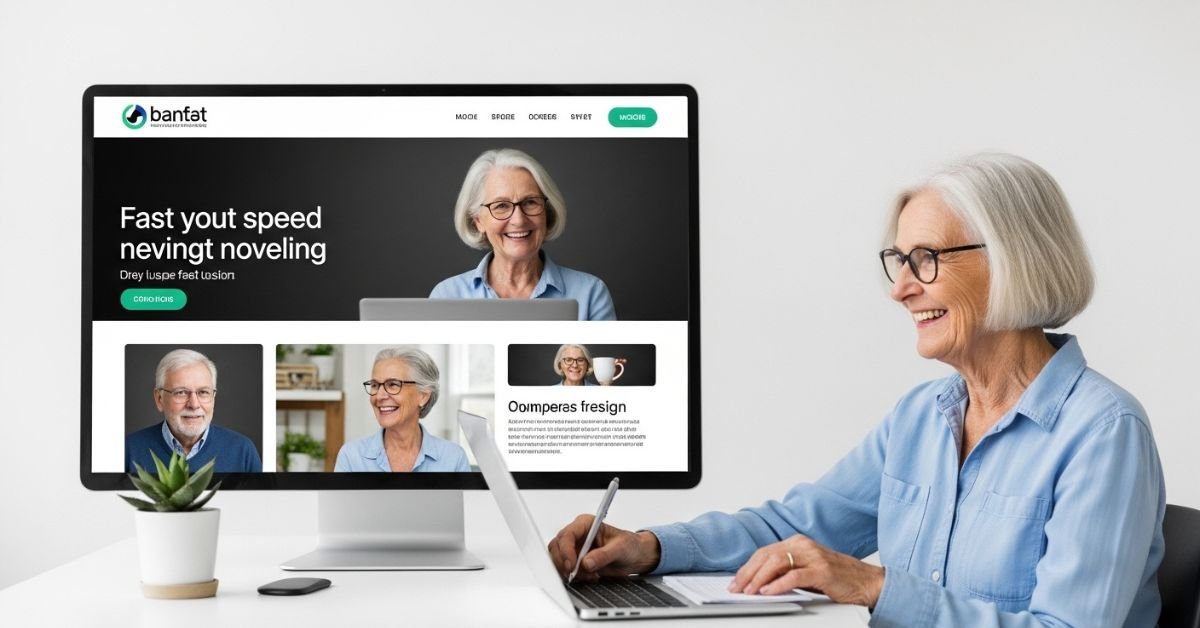
Imagery selection affects relatability deeply. Age inclusive images build connection. Youth only visuals alienate seniors. Realistic representation fosters belonging. Diversity reflects respect authentically. Web design in Perth considers these branding benefits from inclusive imagery.
Mobile Usability for Older Audiences
Mobile design creates additional challenges. Small screens reduce readability. Touch accuracy decreases with age. Responsive layouts must prioritise clarity. Larger icons support interaction.
Learning curves discourage engagement. Complex interfaces intimidate seniors quickly. Clear onboarding improves confidence. Guided steps reduce anxiety. Support resources encourage exploration. So, education becomes part of design.
Support Systems and User Assistance
Help systems support independence strongly. Visible help links offer reassurance. Simple FAQs reduce confusion. Chat support provides comfort. Human assistance builds trust. Web design user support features enhance accessibility.
Feedback messaging influences emotional response. Clear success messages reassure users. Gentle error messages reduce embarrassment. A neutral tone maintains dignity. Blame language discourages engagement. As a result, communication style matters.
E Commerce and Service Platform Considerations
E-commerce design affects older consumers greatly. Clear pricing reduces confusion. Simple checkout builds confidence. Obvious return policies reassure buyers. Hidden fees create distrust. Web design retail platforms benefit from senior-friendly flows.
Healthcare websites require extra sensitivity. Medical information demands clarity. Simple navigation reduces stress. Calm colours promote reassurance. Accessibility supports patient autonomy. Web design for healthcare projects in Perth prioritise senior usability.
Government and service portals impact daily life. Seniors access essential services online. Poor design restricts independence. Clear layouts enable self service. Inclusive design supports civic participation. Web design for public platforms faces growing responsibility.
Conclusion
In conclusion, aging users remain overlooked unfairly. Design choices shape daily digital experiences. Inclusive design empowers independence and confidence. Respectful interfaces reflect human centred values. Web design professionals hold transformative influence. So, students studying design must advocate inclusion. Designing for ageing users creates a better digital future.
Call Make My Website for more help.