





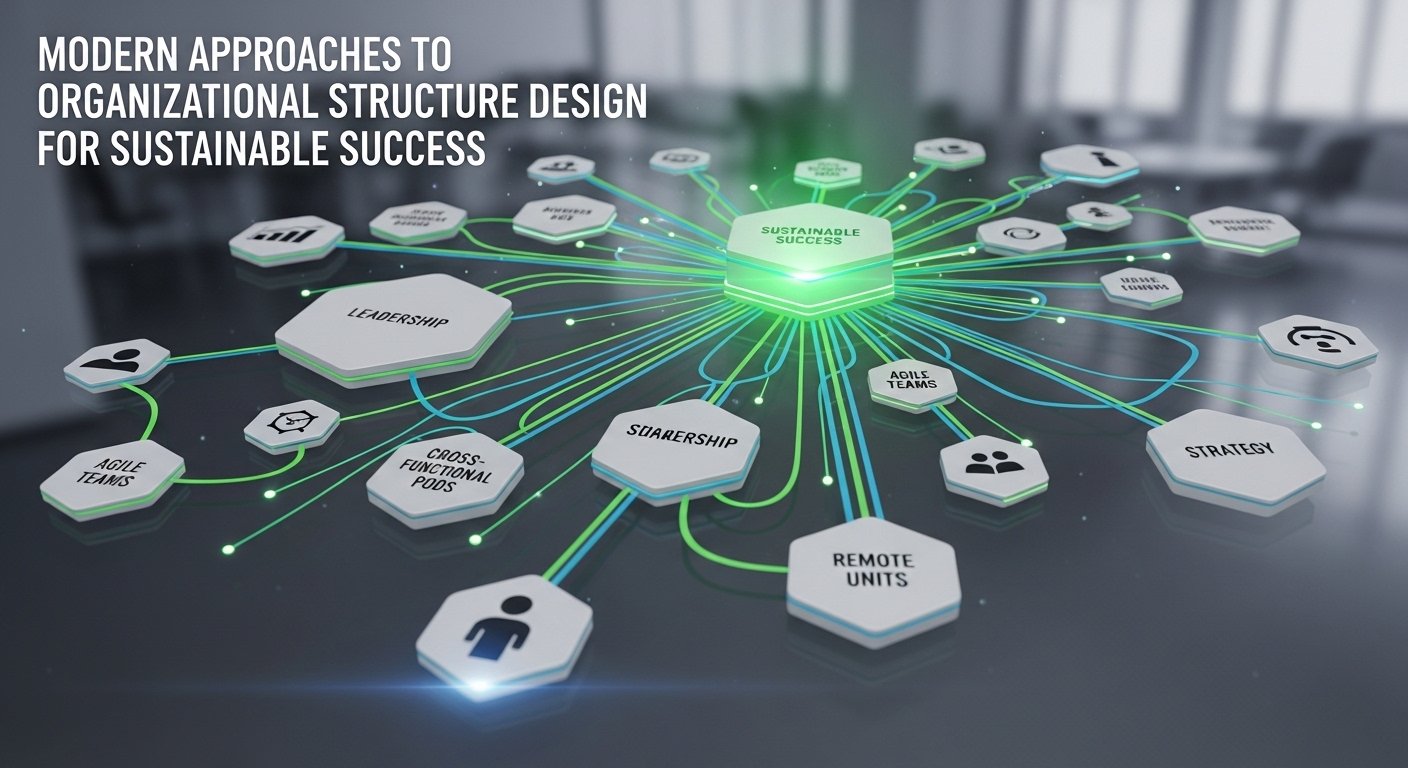
In the face of constant technological, economic, and social change, organizations are compelled to rethink their structures to remain competitive and drive sustainable success. More businesses are reimagining their internal designs, looking beyond rigid hierarchies toward models that promote agility, resilience, and collaboration. For companies aiming to transform their structure, expert guidance, such as https://www.navalent.com/organization-design-consulting/, can be essential for navigating the complexities of modern enterprise design while prioritizing lasting value.
Traditional management models are becoming obsolete as new approaches emerge, driving benefits such as faster decision-making, stronger employee engagement, and greater adaptability. Leading organizations worldwide are integrating flexible, data-driven frameworks and sustainability principles to future-proof their operations. Understanding the practical tactics behind these shifts is crucial for leaders aiming to build resilient organizations in an uncertain business climate.
The Shift Towards Flat and Decentralized Structures
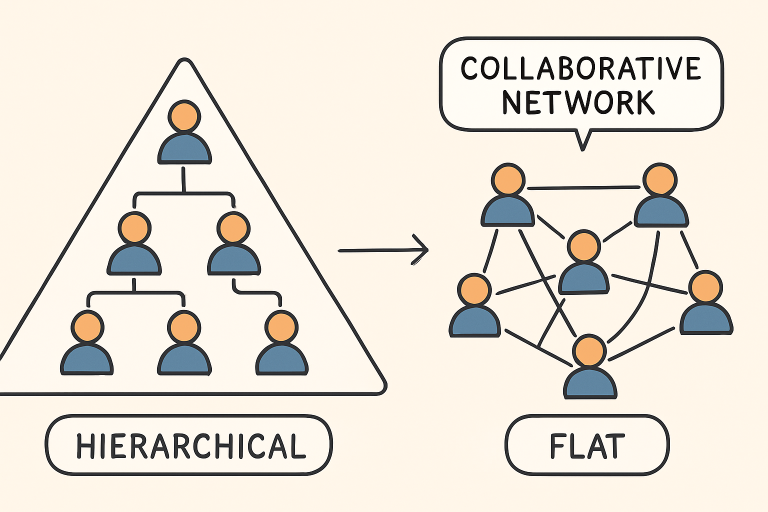
The demand for faster decision-making has led a growing number of organizations to transition from deeply layered hierarchies to flatter and decentralized structures. Organizations such as Zappos and GitHub exemplify this shift, having successfully adopted systems that feature fewer management layers, enabling rapid information flow and empowering employees at all levels. This flattening of traditional hierarchies cultivates an environment where team members are trusted to make significant decisions, leading to greater agility and satisfaction across the workforce.
When authority is distributed more widely, it fosters a culture in which collaboration and autonomy drive results. These structures streamline communication and reduce bottlenecks, enabling organizations to adapt to new opportunities or unforeseen market pressures quickly. Employees who feel trusted and valued are often more motivated and invested in their company’s success.
Still, the transition to a flat or decentralized structure demands careful change management. Effective leadership and a clear understanding of new performance expectations are central to avoiding confusion or overlap in responsibilities, ensuring the organization continues to run smoothly even as hierarchies are redrawn.
A Harvard Business Review study finds that flatter structures are particularly beneficial in knowledge-intensive industries, where innovation speed is a critical factor for success.
Integrating ESG Principles into Organizational Design
Integrating Environmental, Social, and Governance (ESG) principles has become a pillar of modern organizational strategy. Today, businesses are measured not only by their financial results but also by their environmental impact, social contribution, and ethical governance practices. Success in these areas is closely tied to how well a company embeds ESG into the very architecture of its organization.
For example, research on private higher education institutions in Bandung, West Java, demonstrated that embedding ESG principles led to measurable gains in employee well-being and performance. By aligning company culture, procedures, and goals with broader sustainability values, organizations are better equipped to achieve not only compliance but also competitive advantage in the marketplace. A clear commitment to ESG fosters trust with stakeholders and encourages a broader sense of purpose within teams.
Embracing Human-Machine Collaboration
Advances in artificial intelligence and automation are transforming not only how companies operate but also how organizations design their internal structures. By leveraging AI-powered analytics, businesses can make data-informed decisions about team structure, workflow optimization, and long-term planning. For instance, analyzing digital communication and collaboration patterns allows leadership to detect operational bottlenecks and strategically refine departmental boundaries.
The rise of human-machine collaboration places new emphasis on employee training and upskilling, ensuring they can thrive alongside intelligent technologies. Organizations that invest in building a tech-savvy workforce often achieve smoother transitions to new digital ways of working, reducing friction and maximizing value from their AI investments.
Fostering Cognitive Diversity
Cultivating cognitive diversity and assembling teams with diverse thinking styles, backgrounds, and problem-solving approaches is vital to organizational resilience. When a company values different perspectives, it increases its capacity for creativity and adaptability, making it better equipped to overcome complex challenges. Encouraging diversity of thought at every level creates a more inclusive environment where innovation can flourish.
Research consistently shows that cognitively diverse teams are more effective at driving breakthrough ideas and navigating volatile environments. To unlock these benefits, organizations need to build inclusive cultures, promote open communication, and ensure that all voices are valued in strategic discussions.
Leveraging Data-Driven Decision-Making
Data-driven approaches are increasingly central to effective organizational structure. By systematically measuring performance metrics and gathering employee feedback, leaders gain deeper visibility into potential inefficiencies or misalignments. This insight enables targeted changes that boost operational effectiveness and ensure company structures evolve in line with business goals.
Regular data analysis can highlight patterns in productivity, team dynamics, and customer satisfaction, providing a foundation for agile decision-making and continuous improvement. Incorporating analytics at every level means the organization is continually learning and adapting, making it more resilient against disruption.
Implementing Flexible Work Models
The broad adoption of remote and hybrid work models has permanently shifted the landscape of organizational design. Flexible arrangements prioritize not just productivity but employee well-being and adaptability, which are highly sought after in today’s labor market. Offering options for where and how employees work helps organizations access a wider talent pool while supporting greater job satisfaction and retention.
A recent Gallup survey found that employees with greater work flexibility report higher engagement and lower burnout than their traditional office-based counterparts. As remote and hybrid work continue to gain traction, leaders will need to integrate these models into their organizational structure, balancing flexibility with strong communication and accountability systems.
Conclusion
Building an effective, future-ready organization depends on adopting progressive structures that prioritize adaptability, innovation, and sustainability. By combining flat, decentralized designs with ESG integration, the latest technological advances, and diversity and flexibility, organizations can position themselves for lasting success no matter what challenges lie ahead. These modern approaches create enterprises where employees thrive, decision-making is accelerated, and both people and the planet benefit from sustainable business growth.