









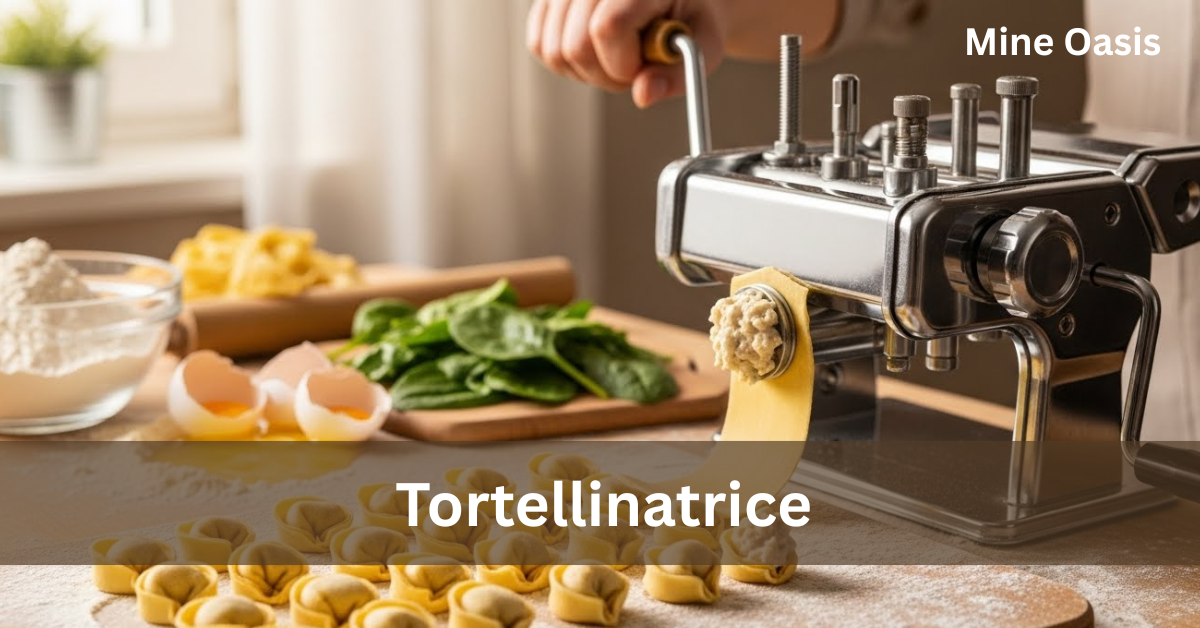
Introduction to Tortellinatrice and Homemade Pasta
Is your pasta game ready to be taken to the next level? Discover the marvel that is the tortellinatrice, a device that can take ordinary ingredients and turn them into delightful treats. If you have the correct instructions and tools, you can make handmade pasta like tortellini in no time. Just picture yourself in the kitchen, making tasty rolls out of fresh dough. This book will teach you all you need to know about using a tortellinatrice, whether you’re a seasoned cook or just starting out. Make some mouth-watering handmade spaghetti and prepare to wow yourself and all your guests!
The History of Tortellini and its Origins in Italy
The Italian cities of Bologna and Modena are the original Tortellini cooks. Its origins are shrouded in mystery. A well-known story goes something like this: a cook who was captivated by Venus’s beauty made tortellini after staring at her navel.
In the past, this type of pasta was only offered during celebratory dinners. Dishes that had been handed down through the years were treasured by families. The variety of meats and cheeses used in each family’s rendition evolved throughout time.
The root of the term, “tortello,” is “to twist.” The way the dough encases the contents is described in a novel way. Eventually, tortellini became a popular pasta dish that people all over the globe love to eat.
It has come to represent the artistic legacy of Italian cooking, which combines skill and imagination. Every mouthful has a history and culture that is as rich as the dish itself, whether it’s served in broth or a robust sauce.
Choosing the Right Tortellinatrice Machine for Your Needs
Think about how often you make pasta before deciding on a Tortellinatrice. A basic manual machine may be all you need if you only cook sometimes. Not only is it cheaper, but it also provides practical experience.
Those who are serious about making their own pasta may find that purchasing an electric model is a worthy investment. Time is saved and larger batches are no problem for them.
You could also check for options to change the thickness. The ideal tortellini texture can only be achieved by adjusting the dough’s consistency, which this function makes possible.
Stainless steel is long-lasting and simple to clean, so that’s another important consideration when choosing a material. It will be a dependable cooking buddy for a long time thanks to its strong construction.
Before you buy, read the reviews. When it comes to performance and usability, specifications don’t always tell the whole story. Real-world experiences do.
Essential Ingredients for Homemade Pasta Dough
Creating perfect pasta dough starts with selecting the right ingredients. The foundation is flour, and “00” flour is often favored for its fine texture. This type provides that ideal balance of elasticity and structure.
Eggs are another crucial component. Fresh eggs enrich the dough, adding flavor and a beautiful golden hue. A typical ratio is one egg per 100 grams of flour, but feel free to adjust based on your desired consistency.
Water can be used sparingly if you’re looking for a softer touch in your pasta. It helps bind everything together when needed.
Don’t forget salt! Just a pinch enhances the flavor significantly without overwhelming the dish itself.
Some enthusiasts add olive oil for extra richness and tenderness in their pasta dough—an optional twist that many love to experiment with.
Step-by-Step Guide to Using a Tortellinatrice
A Tortellinatrice is easy to use and fun to play with. To start, gather your flour, eggs, and salt.
Make the dough first. Make a well in the middle of the flour and salt mixture, and then add the eggs. Slowly mix them with the flour until a smooth consistency is achieved.
Let the dough sit for 30 minutes when it’s ready. Doing this beforehand makes the rollout process more elastic.
Then, into more manageable chunks, split the rested dough. Thread a single piece through the widest setting of your Tortellinatrice. You may get the necessary thinness without ripping by gradually narrowing each pass.
Shaping is next! The coiled pasta sheets may be cut into squares. In the middle of each square, put some filling. Then, fold the squares diagonally to make triangles. To seal, pinch the edges firmly.
Easy and delicious! Just keep going till you’ve used up all the dough and filling.
Tips and Tricks for Perfectly Shaped Tortellini Every Time
To achieve perfectly shaped tortellini, start by rolling your pasta dough to a consistent thickness. Too thick will result in chewy edges, while too thin may cause them to tear during filling.
Use a round cutter for uniformity. A 3-inch diameter works well for bite-sized pieces. After cutting the circles, keep them covered with a damp cloth to prevent drying out.
When adding the filling, less is more. A teaspoon of filling ensures you can fold and seal without spilling over. Wetting the edges slightly helps create a better seal.
For shaping, bring two sides together to form a half-moon shape first. Then wrap it around your finger and pinch the ends tightly together for that classic tortellini look.
Practice makes perfect! Don’t be discouraged if they aren’t flawless at first; each batch brings improvement and delicious results.
Delicious Recipes to Try with Your Homemade Tortellini
The adaptability of tortellini makes it an ideal ingredient in a wide range of recipes. Try this delicious tortellini dish with a creamy sage sauce. Finish the tortellini by cooking it until it is al dente. For an aromatic finish, mix it with melted butter and fresh sage leaves.
Try a tomato basil tortellini soup if you’re looking for something substantial. Throw in some handmade spaghetti, some flavorful vegetable broth, some juicy tomatoes, and some aromatic basil. Allow flavors to harmonize by simmering gently.
Toss cooked tortellini with sautéed spinach and garlic in olive oil if you’re in the mood for something lighter. Lastly, add some zest with a squeeze of lemon juice and a dusting of Parmesan cheese.
An additional refreshing option is to make a tortellini salad with pesto dressing, mozzarella balls, cherry tomatoes, and cooled pasta. At get-togethers or picnics, this meal really shines! With plenty of leeway for taste and ingredient customization, each recipe highlights the wonderful handcrafted texture of your finished product.
Troubleshooting Common Issues with Homemade
As much love as goes into making homemade tortellini, not everything goes according to plan. Do not fret if you encounter typical problems; answers do exist.
I will start with the dough. Pasta may require a touch additional water if it is very dry or crumbly. Adding a little water or more egg yolk may make a world of difference. On the other hand, you may adjust the consistency by dusting with flour if it’s too sticky.
Tortellini shapes are also not always easy to achieve. If they aren’t sealing, try moistening the edges before folding them over and making sure you use enough filling. To assist build the seal, a little water might be used.
Maybe they’re disintegrating in the boiling water? That’s another possible problem that might develop when cooking. If they are undercooked or packed in the pot, this is a common occurrence. If you want them perfectly al dente, boil them in batches and watch the time closely.
Seasoning is the secret ingredient if you’re missing taste. If you want your homemade product to stand out with every mouthful, liberally season the dough and filling.
You will feel confident in your ability to make tasty tortellini at home with the help of these troubleshooting techniques.
Read More: Studiae: Smart Learning, Research & Academic Success Made Simple