









Aircraft engines are marvels of engineering, combining precision, power, and innovation to keep planes safely in the sky. For anyone fascinated by aviation, understanding how these engines function is key to appreciating the complexity behind every flight. Whether it’s a small propeller-driven plane or a massive jetliner, the principles of flight and engine operation are both fascinating and essential.
Types of Aircraft Engines
Aircraft engines come in various forms, each designed for specific applications. The most common types include piston engines, turboprops, and jet engines.
- Piston engines, similar to those found in cars, use internal combustion to generate power. They are most common in smaller, general aviation aircraft. Fuel and air mix in the cylinders, where a spark ignites the mixture, creating a controlled explosion that moves the pistons. This motion turns the propeller, producing thrust.
- Turboprop engines are essentially a combination of a turbine and a propeller. They use a gas turbine to drive the propeller, making them highly efficient for short to medium-range flights at lower speeds. Turboprops are common in regional airliners and cargo planes.
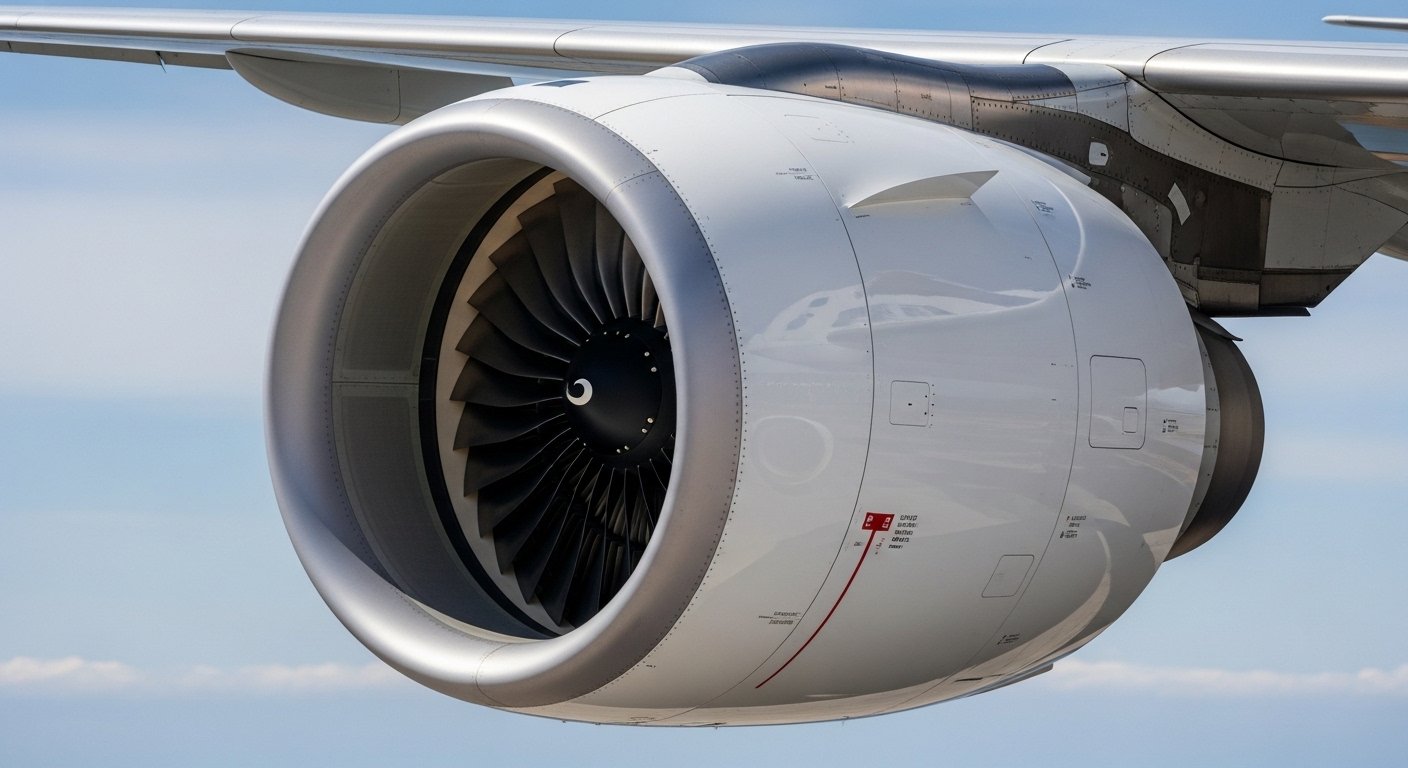
- Jet engines, or turbojets, are designed for high-speed travel. These engines compress incoming air, mix it with fuel, and ignite the mixture, producing high-speed exhaust gases that propel the aircraft forward. Variants like turbofans dominate commercial aviation, offering a balance between speed, efficiency, and noise reduction.
How Aircraft Engines Produce Power
Regardless of type, aircraft engines rely on a few key principles to generate power: air intake, compression, combustion, and exhaust.
- Air Intake: Engines draw in air from the environment. In piston engines, carburetors or fuel injection systems mix air with fuel. In jets, compressors handle the intake and pressurize the air.
- Compression: Compressing the air increases efficiency. Piston engines rely on pistons in cylinders, while jet engines use multi-stage compressors to achieve high pressure.
- Combustion: Fuel ignites in a controlled environment. The rapid expansion of gases produces mechanical energy in piston engines or accelerates exhaust in jet engines.
- Exhaust: The expelled gases generate thrust, propelling the aircraft forward. In turboprops, the turbine also drives the propeller, while in jets, the thrust comes directly from high-velocity exhaust gases.
Engine Components That Matter
Aircraft engines are made up of intricate components working in harmony. Key elements include the compressor, combustion chamber, turbine, and exhaust nozzle. Piston engines additionally rely on cylinders, pistons, and crankshafts.
The quality of these components is critical. Many parts are manufactured with extreme precision by specialized machining manufacturers to ensure durability, efficiency, and safety under high stress and temperature conditions. A minor flaw in a turbine blade or piston could have serious consequences at 35,000 feet.
Maintenance and Safety
Aircraft engine safety depends on regular maintenance and inspection. Mechanics follow strict schedules, checking for wear, corrosion, and performance issues. Routine checks ensure the engine maintains optimal performance, reduces the risk of in-flight failures, and prolongs engine life.
For example, a jet engine’s turbine blades are regularly examined for micro-cracks or fatigue, as these tiny defects can expand rapidly under extreme heat. Similarly, propeller and piston engines are tested for proper combustion efficiency, oil flow, and mechanical wear.
The Future of Aircraft Engines
Aviation is evolving, and so are aircraft engines. Manufacturers are exploring more fuel-efficient turbines, hybrid-electric propulsion, and even fully electric aircraft engines. These innovations aim to reduce emissions, cut fuel costs, and create quieter, more sustainable flights.
Understanding how aircraft engines work not only satisfies curiosity but also highlights the precision and innovation involved in aviation. From small piston planes to high-speed jets, these engines represent the pinnacle of mechanical engineering, combining power, safety, and efficiency in a single package.
Whether you’re a pilot, aviation enthusiast, or just curious about flight, gaining insight into engine operation deepens your appreciation for the incredible machinery that keeps humans soaring above the clouds.