






Managing payroll can be one of the most complicated administrative duties for small business owners. A few missed steps or miscalculations can have costly repercussions, both financially and in terms of compliance. However, with advancements in digital tools and a thoughtful approach to processes, payroll management can become far easier to navigate. For owners and managers seeking dependable solutions, exploring tailored payroll for small and mid-sized Canadian businesses is a smart way to start simplifying operations and protecting the business from avoidable errors.
Many small enterprises find themselves juggling paperwork, chasing signatures, and dreading tax season, all while hoping their calculations are accurate. The good news is that automation and outsourcing can significantly minimize these pain points. Whether handling payroll in-house, using full-service solutions, or employing hybrid models, small business owners have more resources than ever to support efficient, reliable payroll workflows.
Embracing the right tools is critical. Digital time tracking, integrated HR and payroll platforms, and self-service options for employees are increasingly accessible and easy to implement. With careful planning and regular process updates, the journey from payroll stress to payroll success is entirely achievable for businesses of all sizes. The right mix of technology and expert support strengthens compliance, boosts employee satisfaction, and allows owners to focus on running and growing their core business.
As businesses make the move toward smarter payroll management, they also benefit from enhanced data insights, easier auditing, and reduced administrative effort.
Automate Payroll Processes
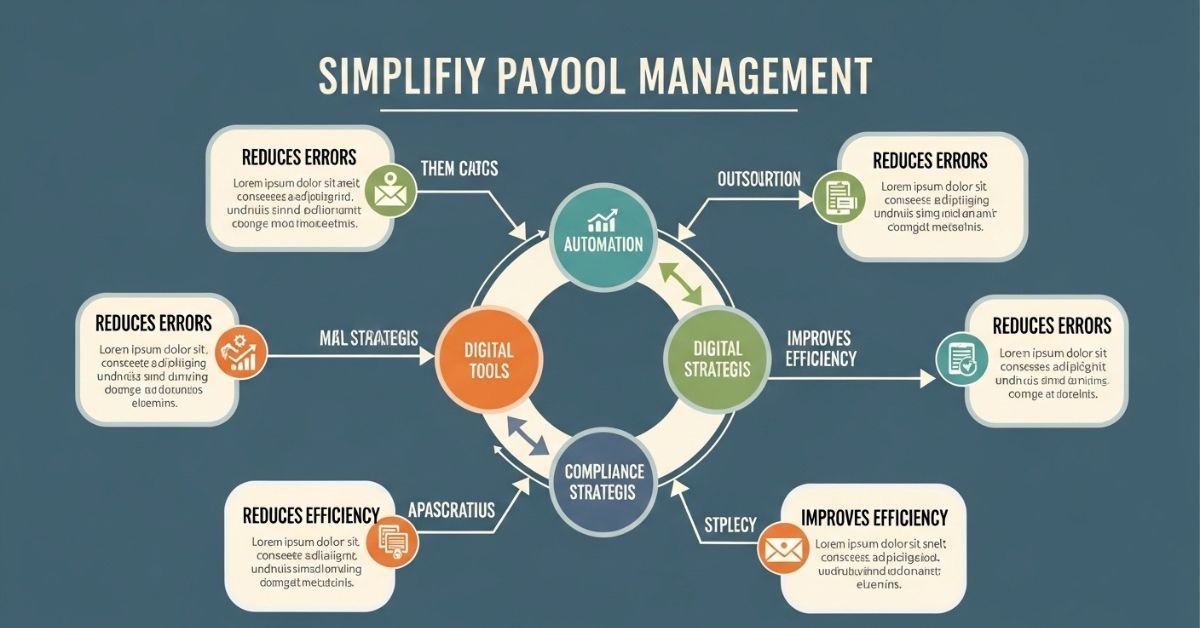
Automating payroll is one of the most effective ways for small businesses to eliminate repetitive paperwork and reduce the chances of human error. Reports show that the average small business spends up to 120 working days per year on administrative tasks, such as payroll. Payroll automation software handles core calculations, executes direct deposits, tracks deductions, and manages tax withholdings reliably. Not only does automation reduce workload, but it also creates a digital record of every transaction, making it simple to reference payment histories or resolve discrepancies quickly.
Outsource Payroll Services
When compliance risk and accuracy become pressing concerns, outsourcing payroll to experienced providers can be a cost-effective solution. Specialized payroll services streamline everything from wage calculation to quarterly and annual reporting, reducing the risks associated with ever-changing tax regulations. Many providers now offer packages specifically for small businesses, making support both accessible and affordable. Outsourcing tasks such as new employee onboarding, year-end tax filing, and audit support can be particularly valuable for owners who need to focus on core business priorities.
Implement Digital Time-Tracking
Error-prone manual timesheets are quickly becoming a thing of the past. Today’s digital time-tracking tools enable businesses to automatically capture employee clock-ins, breaks, overtime, paid time off, and more. These tools help managers detect patterns, prevent buddy punching, and keep accurate logs for compliance and recordkeeping. Integration with payroll software ensures hours are paid correctly and on time, and employees benefit from greater transparency into their accrued leave and attendance records.
Stay Updated on Tax Regulations
Tax compliance is one of the greatest challenges for any business running payroll. According to the IRS, nearly 40 percent of small businesses end up paying penalties related to payroll tax errors, with average penalties exceeding $800 per year. Regulations change frequently at the federal, provincial, and sometimes even municipal levels. To avoid costly mistakes, small businesses should prioritize regular reviews of tax requirements and consider working with qualified accountants or payroll professionals to stay up to date with the latest laws and deadlines. Trusted resources like the Canadian Revenue Agency (CRA) payroll guide are helpful for staying informed.
Utilize Integrated Software Solutions
Integrated payroll and HR platforms bring all critical employee data into a single, easy-to-access interface. These solutions simplify everything from pay processing and performance management to benefits administration and tax reporting. Vendors like Paychex are increasingly introducing all-in-one platforms purpose-built for small-business needs. Real-time dashboards and mobile access make it easy for owners to check payment statuses, track cash flow, and ensure prompt and reliable payroll delivery.
Train Staff on Payroll Systems
No matter the technology in place, it is crucial that all staff members responsible for payroll remain up to date on the latest system features and best practices. Regular training sessions reinforce security, accuracy, and compliance. As payroll solutions evolve with new functionalities or legal requirements, ongoing training ensures that employees understand how to fully leverage tools and minimize mistakes. This commitment to education can help catch problems before they start and promote a culture of accountability.
Regularly Review Payroll Processes
Businesses should build regular internal reviews and audits of their payroll workflows into their routines. Spot checks of calculations, reviews of permissions, and analyses of system-generated reports all help uncover inefficiencies or recurring errors that could otherwise go unnoticed. These reviews often reveal opportunities to adopt even more advanced technologies or to adjust current processes to support business growth.
Consider Employee Self-Service Portals
Implementing employee self-service options can drastically reduce administrative emails and paperwork while giving staff faster access to what they need. Self-service portals enable employees to view pay stubs, download tax forms, update their personal or banking information, and manage benefits inquiries independently. This self-management approach empowers employees and allows HR or payroll teams to focus on more strategic work rather than routine document requests.
By adopting these proven strategies, small businesses can transform payroll management from a monthly headache into a streamlined, efficient process. This not only minimizes error and ensures compliance but also saves administrative time and supports business growth. The long-term impact is a happier workforce, more predictable cash flow, and a business that can adapt easily as it scales.